
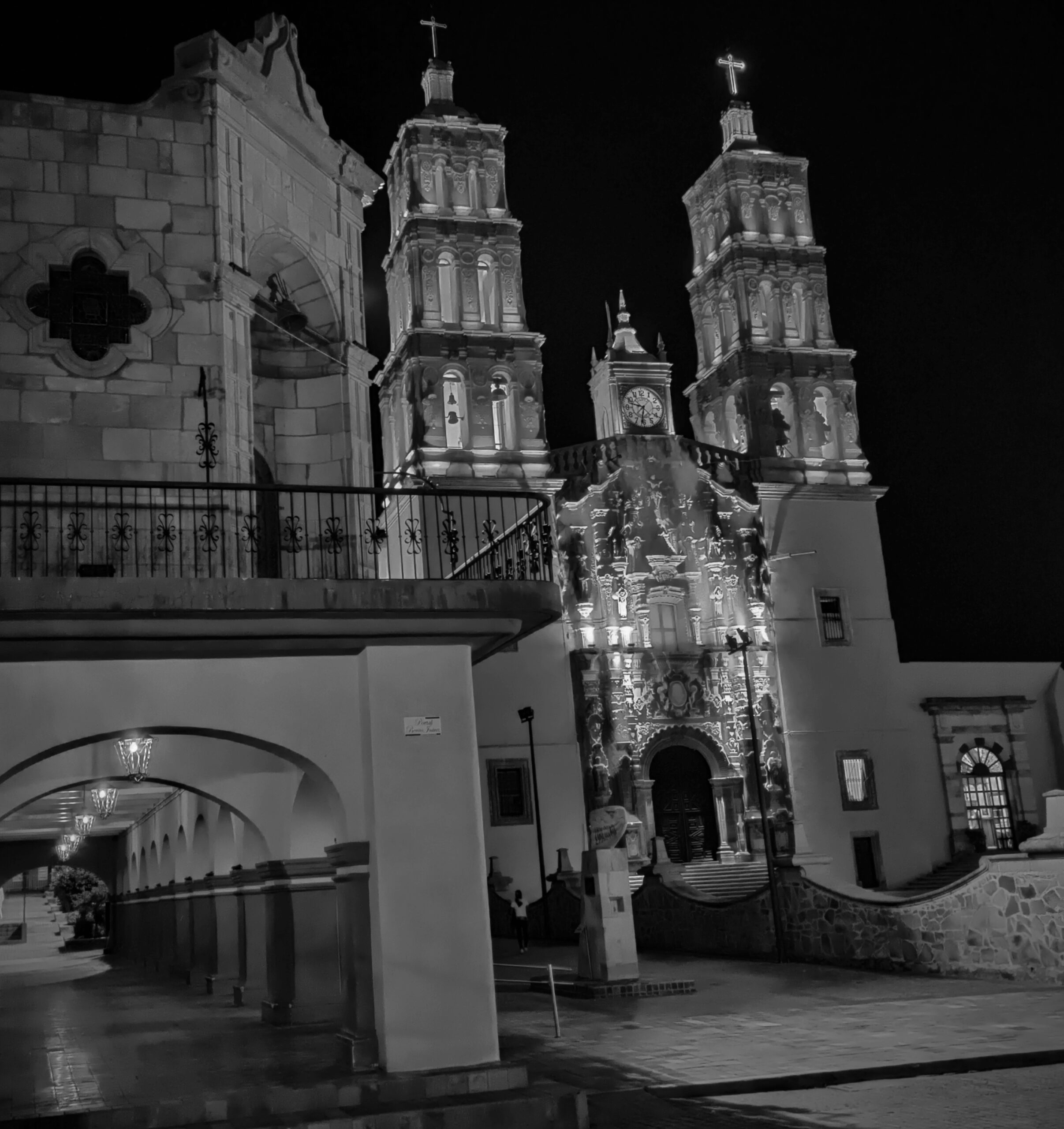
Its history traces back to 1710 under the viceroy Marqués de Montescarios, who promoted cattle raising in the area, although as early as 1570 the viceroy Enríquez de Almanza had established here the Congregation of Our Lady of Sorrows. Later, with the expansion of the original congregation through lands purchased from the Hacienda de la Erre, the original layout of the city was formed. The most significant date in its history is the early morning of September 16, 1810, when Father Miguel Hidalgo y Costilla issued the Cry of Independence, rising up against Spanish rule. For this reason, the city holds the title of “Cradle of National Independence” by government decree. Hidalgo established workshops for teaching pottery, carpentry, and weaving, planted mulberry trees, raised beehives, and cultivated numerous vineyards—actions that explain his influence on the people who joined the Independence movement. On September 15, 1940, President Lázaro Cárdenas initiated the tradition of the Independence Cry in the atrium of the Parish of Our Lady of Sorrows.
In addition to visiting the various historic buildings of this beautiful colonial city, it is recommended to try its delicious ice creams with exotic flavors such as tequila, shrimp, corn, avocado, mole, and custard. Dolores Hidalgo is also the starting point for those wishing to follow the Independence Route. This “Pueblo Mágico” offers several places to visit, including the Parish of Our Lady of Sorrows, the Main Square or Hidalgo Garden, the Parish of the Assumption, the Temple of the Third Order, the Temple of the Lord of Llanito, the Casa de Visitas, the Abasolo House, the Independence Museum, the Bicentennial Museum, the Hidalgo House Museum, and the José Alfredo Jiménez Museum.